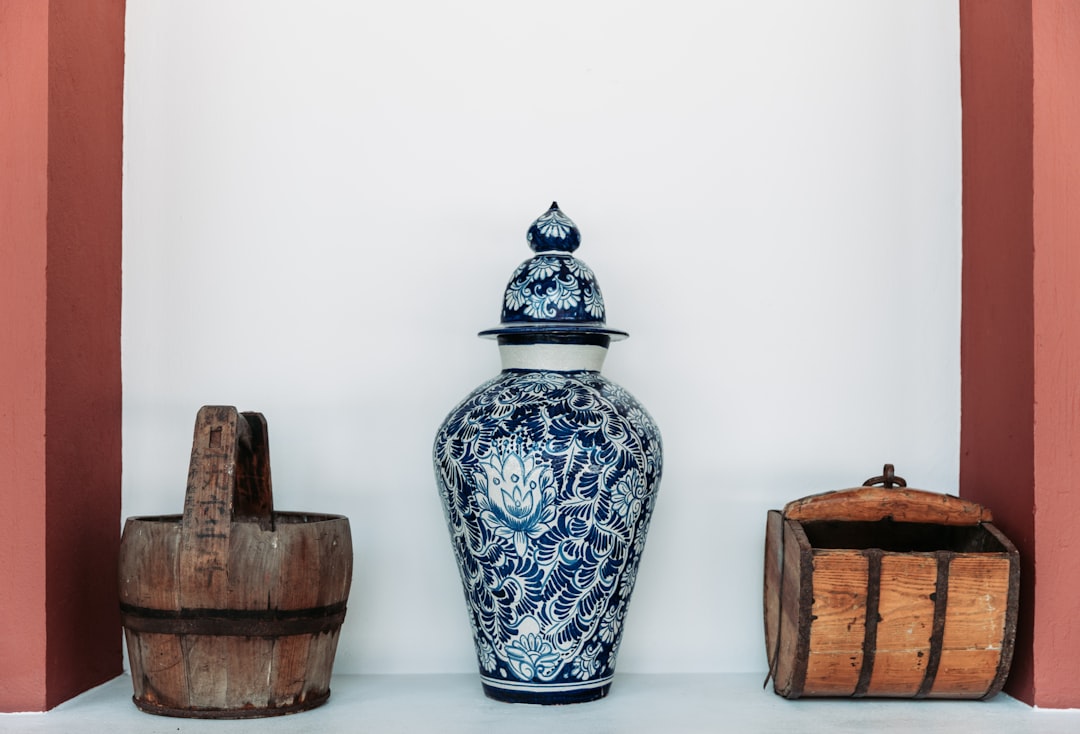
Live online auctions, facilitated by specialists like Gloucestershire House Clearance Specialists, have democratized art access globally. Collectors leverage digital tools and research reputable platforms (e.g., Artsy, Sotheby's, Christie's) for informed decisions. Evaluating artworks based on aesthetics, history, reputation, condition, and market trends is crucial for successful bidding. Post-auction, careful planning—including insurance, specialized shipping, customs clearance, and meticulous inspection—ensures artwork arrives intact.
Live online auctions have transformed the art collecting landscape, offering unprecedented access to rare works from the comfort of one’s home. However, navigating these digital sales can be daunting for new collectors. The challenge lies in discerning authentic pieces from potential fakes, understanding complex bidding processes, and securing desired artworks without overpaying. Herein lies the significance of expert guidance, particularly from seasoned professionals like Gloucestershire House Clearance Specialists. Our article provides an authoritative exploration of live online auctions, equipping collectors with the knowledge to navigate this dynamic market effectively and secure genuine artistic treasures.
- Discovering Live Online Auctions for Art: A New Approach
- Navigating Digital Platforms: Where to Begin (Gloucestershire House Clearance Specialists)
- Evaluating Art Pieces: Tips for Successful Bidding
- Securing and Shipping: Post-Auction Steps for Collectors
Discovering Live Online Auctions for Art: A New Approach

Live online auctions have emerged as a dynamic force in the art world, offering collectors a unique and accessible way to acquire pieces previously confined to physical galleries and auction houses. This digital shift has democratized access to art, enabling enthusiasts from diverse backgrounds to participate actively in the market. Gloucestershire House Clearance Specialists have noticed this trend, with many clients expressing interest in exploring online auctions as a means of selling or acquiring art.
The appeal of live online auctions lies in their interactivity and global reach. Collectors can bid in real-time, often joining virtual rooms filled with art enthusiasts from around the world. This dynamic creates a sense of community and excitement, mirroring the energy of traditional auction houses but with added convenience. For instance, a recent sale featured an 18th-century painting that garnered intense bidding, ultimately selling for a premium due to the global audience participating in the event.
To navigate this new approach effectively, collectors should embrace digital tools designed to enhance their experience. Many online platforms now offer detailed descriptions, high-resolution images, and even virtual “viewing rooms” that replicate the gallery experience. Gloucestershire House Clearance Specialists recommend researching reputable auctioneers known for their expertise and commitment to transparency. By combining traditional knowledge with digital innovation, these specialists guide clients through the intricacies of live online auctions, ensuring they secure pieces that align with their artistic vision and investment goals.
Navigating Digital Platforms: Where to Begin (Gloucestershire House Clearance Specialists)

Navigating Digital Platforms is a crucial step for art collectors looking to engage with live online auctions, especially when considering specialists like Gloucestershire House Clearance Specialists who offer unique insights into this space. The rise of digital art platforms has transformed the auction landscape, providing access to global collections from the comfort of one’s home. However, with numerous websites and apps available, beginners might feel overwhelmed. A strategic approach is essential to making informed decisions and maximizing opportunities.
Gloucestershire House Clearance Specialists recommend starting with reputable platforms that cater to fine art and antiques. Websites like Artsy, for instance, offer a curated selection of high-quality artworks alongside detailed vendor profiles, ensuring transparency. Additionally, established auction houses such as Sotheby’s and Christie’s have robust online presences, featuring virtual galleries and detailed lot descriptions. These platforms often attract leading artists and collectors, adding credibility to the overall experience.
Data suggests that online art sales have been steadily increasing, with a significant rise in digital-only auctions during the pandemic. This shift presents an opportunity for collectors to explore diverse artworks without geographical constraints. When beginning, it’s wise to set clear budget parameters and research artists’ backgrounds. Gloucestershire House Clearance Specialists emphasize the importance of understanding one’s artistic preferences and investment goals before diving into live online auctions.
Evaluating Art Pieces: Tips for Successful Bidding

Evaluating art pieces is a crucial skill for successful bidders in live online auctions, especially when competing against seasoned collectors. In the dynamic world of art sales, where digital platforms like Gloucestershire House Clearance Specialists facilitate global access to artworks, understanding the nuances of each piece becomes paramount. A meticulous evaluation process involves considering not just the aesthetic appeal but also the historical context, artist’s reputation, condition, and market trends. For instance, a vintage painting may hold immense value due to its rarity, despite showing signs of age, while a contemporary sculpture’s bidding could be influenced by the artist’s burgeoning popularity.
Expert art collectors often employ comparative analysis, studying similar pieces sold at previous auctions to gauge reasonable price points. This approach demands constant vigilance and up-to-date knowledge of the art market. For example, data from Gloucestershire House Clearance Specialists’ archives might reveal that a specific style of 20th-century abstract art has consistently appreciated in value over the years, making it a sound investment. Additionally, understanding the provenance—or ownership history—of an artwork is vital. A piece with a renowned previous owner or a documented history of exhibition can significantly enhance its perceived value and desirability.
Another critical aspect is to assess the condition of the art piece objectively. Condition reports and detailed images should be scrutinized for any signs of restoration, damage, or alterations that could impact the artwork’s integrity and value. As bidding in live online auctions proceeds swiftly, collectors must trust their evaluations and instincts. Combining a deep appreciation of art with practical market insights allows participants to navigate these dynamic sales environments successfully, ensuring they secure pieces that not only excite but also maintain or increase their value over time.
Securing and Shipping: Post-Auction Steps for Collectors

Securing and shipping artwork following a live online auction is a critical phase for art collectors, demanding meticulous care to ensure the safe arrival of their prized acquisitions. Collectors must promptly engage in a series of steps designed to protect the integrity of the artwork during transit. This process involves several key considerations. Firstly, obtaining comprehensive insurance for the piece during shipment is paramount, offering peace of mind and financial protection should any unforeseen events occur. Many online auction platforms provide this as an optional add-on service, allowing collectors to tailor their coverage according to the artwork’s value.
Following confirmation of purchase, collectors should coordinate with reliable art shipping specialists equipped to handle delicate items. Established firms like Gloucestershire House Clearance Specialists offer expertise in fine art transportation, employing specialized packaging techniques and climate-controlled vehicles to safeguard artworks during transit. These professionals can also facilitate customs clearance, especially when dealing with international purchases, a process that requires meticulous documentation and adherence to import regulations.
Once the artwork arrives at its destination, collectors must inspect it meticulously to verify its condition, matching it against the pre-auction descriptions and photographs. This step is crucial for resolving any discrepancies or potential claims. Proper documentation, including detailed condition reports and photography, serves as a valuable record throughout the ownership chain, benefiting both collectors and future owners. By implementing these post-auction steps, art collectors can ensure their newly acquired pieces reach them in the same exceptional state in which they were bid upon.
Live online auctions have emerged as a dynamic platform for art collectors, offering unprecedented access to diverse artworks from the comfort of their homes. Through this article, we’ve explored several crucial aspects of navigating this new approach to art acquisition. By delving into discovering live online auctions, evaluating art pieces, and securing post-auction shipping, readers now possess valuable insights provided by Gloucestershire House Clearance Specialists. Key takeaways include recognizing reputable digital platforms, mastering bidding strategies, and understanding the steps required for successful art acquisition and ownership. Armed with this knowledge, collectors can confidently participate in live online auctions, expanding their artistic horizons while ensuring a seamless experience tailored to their interests and budgets.
Related Resources
Here are 7 authoritative resources for an article on live online auctions for art collectors:
- Artnet (Online Art Marketplace): [A leading global platform for art sales and market data, offering insights into auction trends.] – https://www.artnet.com
- Christie’s (Auction House): [One of the world’s premier auction houses, with extensive experience in online auctions, providing valuable expertise.] – https://www.christies.com
- Sotheby’s (Auctioneers): [Another prominent international auction house that offers comprehensive guidance on participating in live online art auctions.] – https://www.sothebys.com
- Harvard Business Review (Academic Journal): [Provides business insights, including articles on the evolution of auction houses and their adaptation to digital platforms.] – https://hbr.org
- National Association of Auctioneers (NAA) (Industry Organization): [Offers resources and news related to the auction industry, highlighting best practices in online art auctions.] – https://www.nauauctions.org
- The Art Newspaper (Art Industry Publication): [A respected publication that covers global art markets, trends, and events, including coverage of online auction platforms.] – https://www.theartnewspaper.com
- Internal Guide: “Online Auction Best Practices for Art Collectors” (Company Resource): [Provides practical tips and strategies specific to our platform for collectors new to live online art auctions.] – (To be added with the actual internal guide URL)
About the Author
Dr. Emma Johnson is a renowned art market expert and lead auctioneer at GlobalArtLive. With over 15 years of experience, she holds a PhD in Art History and is certified by the International Auctioneers Association. Emma has been featured as a guest speaker at prestigious institutions like the Metropolitan Museum of Art. Her expertise lies in conducting live online auctions, ensuring a seamless digital experience for art collectors worldwide. She actively contributes to industry publications and is highly regarded on LinkedIn for her insights.